
الصفحة الرئيسية
الصفحة الرئيسية
Low egg output, dirty shells, broken eggs, and high labor costs can quietly reduce farm profit. When the wrong cage system is used, problems grow fast. The right layer cage solution helps solve them through better housing, cleaner egg collection, easier management, and more stable flock performance.
A layer cage is a structured housing solution for layer chicken farming that supports efficient feeding, drinking, manure cleaning, and egg production. A well-designed layer cage system helps farms improve hygiene, manage birds better, reduce labor, and build a more reliable commercial poultry operation when it is matched to flock size, house layout, and automation goals. According to FAO, multi-tier cage housing is common in controlled-environment commercial layer farms because it supports efficient management and productive performance.
In a modern poultry farm, housing is not just a place to keep birds. It shapes output, labor use, bird comfort, hygiene, and daily workflow. That is why a professional cage system matters so much. A poor setup can increase feed waste, raise the risk of dirty eggs, and make daily work slow. A good layer cage system does the opposite.
Commercial buyers usually want more than simple cages for sale. They want a full system that works in real farm conditions. That means the cage structure, feeding line, drinking system, ventilation, and manure removal plan all need to work together. FAO notes that controlled-environment systems with multi-tier cages are widely used on large farms because they help maintain better house conditions and bird performance.
From what we see at Big Herdsman Machinery Co., Ltd., overseas customers do not ask for one machine. They ask for a complete plan. They want a factory-direct partner that understands climate, building layout, and long-term operation. That is why we focus on complete poultry cage systems rather than isolated products.

A layer cage is a housing unit designed for laying hens to live, eat, drink, and lay eggs in cages in an organized way. In commercial farming, the system is built to keep birds in defined sections so management becomes easier and more consistent. The basic idea is simple, but the details matter.
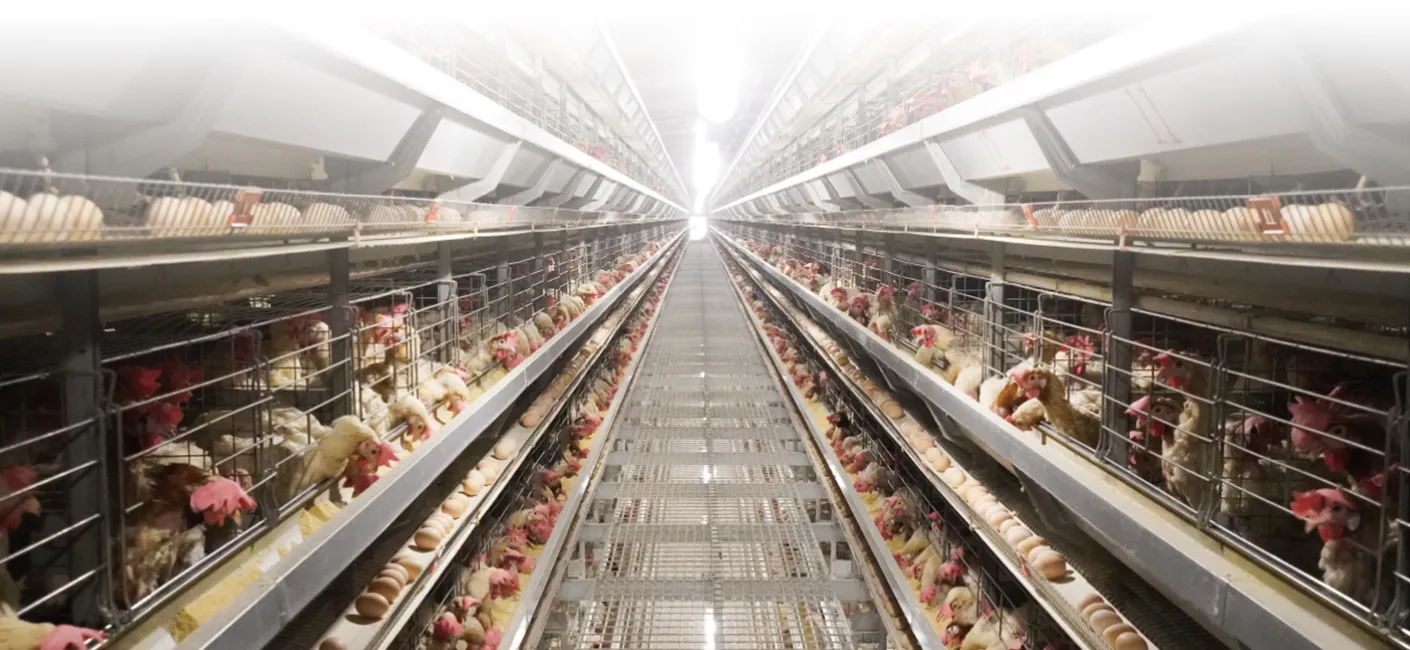
A standard chicken cage setup usually includes the cage frame, feeder, nipple drinker, floor mesh, manure discharge path, and egg rolling area. In automatic projects, the system includes feeding equipment, drinking lines, a manure removal system, and an automatic egg collection system. This makes daily work faster and more predictable.
The reason many buyers choose this approach is operational clarity. A proper cage system is designed to support feeding, cleanliness, and egg handling in one line of management. It is easier to monitor birds, easier to collect eggs, and easier to manage house output at scale.
The most common types are a-type layer and h-type layer systems. Each one serves a different farm model. The right choice depends on house size, automation level, labor cost, and your expansion plan.
أن a-type layer cage is often chosen by farms that want a practical structure with simpler installation and flexible investment. A good a-type layer cage design is suitable for many medium-scale farms, especially where customers want reliable output with moderate automation. In many projects, this kind of type layer solution works well when the house width and labor plan support it.
An h-type layer cage is more common in larger, highly automated projects. The h type structure supports denser arrangement and easier integration with automatic systems. For buyers planning a modern commercial egg layer project, an h-type layer cage can improve space use and daily management efficiency. In short, h type layer systems are often selected where automation and high-capacity control are priorities.

Before buying a layer chicken cage, look beyond the price. Material quality, layout, automation compatibility, and maintenance access all matter. A low-cost unit can become expensive later if it rusts early, breaks under use, or wastes labor every day.
First, review the cage material and finish. A strong cage is made for long-term farm use, usually with proper galvanize treatment or other corrosion-resistant protection. We often recommend structures made of quality mild steel with durable surface treatment, because that helps extend service life in demanding house conditions. The bottom cage mesh also matters. It must support hens while allowing eggs to roll out safely.
Second, check practical design details. The door design and feeder access affect daily work. A good door design makes it easy to inspect birds, vaccinate, or remove hens when needed. In many projects, a sliding door design makes handling smoother, especially in larger houses. That is one of those small details that becomes very important over time.

A modern automatic layer chicken project is not just rows of cages. It is a linked system built for production, hygiene, and stable management. That is why smart buyers ask about the full package, not only the cage body.
A complete fully automatic poultry solution normally combines cage equipment, feeding lines, a drinking system, manure belts or scrapers, egg conveyance, and environment support. In larger projects, the control system integrates climate data, feeding schedules, water supply, and alarm functions. This kind of automatic chicken cage system helps farms reduce daily labor and build a more predictable routine.
At Big Herdsman, our control system planning also looks at local climate, ventilation needs, and future expansion. Because our customers run medium- to large-scale farms across 80+ countries, our system is designed to support project-level thinking. That includes design support, installation guidance, and after-sales service, not just shipment of equipment.
This is one of the most common questions from buyers. The answer depends on your building, labor plan, investment level, and production target.
If your poultry house is medium-sized and you want a balance between cost and performance, an a-type layer cage may be the better fit. A good a-type layer cage design is easier to understand, easier to install, and often suits farms that are stepping into commercial production or expanding in phases.
If your project is larger and you want stronger automation, h-type layer options often make more sense. A well-built h type system supports higher capacity and easier integration with manure, feeding, and egg collection equipment. For international commercial projects, we often compare both options during planning so customers can see which one gives better long-term value.
A good chicken house setup does more than hold birds. It supports feeding rhythm, water access, egg flow, and cleaner manure handling. When those basics are stable, bird condition is easier to manage and production efficiency becomes more predictable.
For example, well-positioned feed troughs and water lines help birds access nutrients more evenly. Cleaner waste discharge reduces ammonia and supports a better chicken house environment. Structured observation also helps staff spot issues earlier. Management guides from Hy-Line stress that flock potential depends on good husbandry and environmental management.
This does not mean every issue can be solved by equipment alone. Problems such as nutrition imbalance, disease pressure, or even layer chicken fatigue syndrome need broader management. But the housing system still matters because it shapes daily conditions. A clean, stable setup gives birds a better chance to perform well and helps hens to lay eggs more consistently.
A serious project needs more than products. It needs planning. That is where choosing the right poultry equipment partner matters.
At Big Herdsman Machinery Co., Ltd., we work with commercial farm owners, agribusiness groups, project investors, contractors, and distributors that need full poultry farming equipment solutions. We develop systems around climate, layout, and local management needs. That means the اقفاص دجاج البياض design, feeding, drinking, ventilation, egg collection, and manure removal path are planned together.
For overseas customers, long-term support is just as important as manufacturing quality. Our team provides project discussion, layout planning, installation guidance, and global service support. This makes our solutions suitable for customers who want more than product supply. They want a reliable factory-direct partner that can support scalable poultry production for years to come.
A professional layer cage is not just a row of metal units. It is a complete management tool for commercial egg farming. The right cage system helps farms control hygiene, reduce labor, support bird performance, and build a stable path for long-term growth.
If you are planning a new commercial layer project, upgrading an old house, or comparing chicken اقفاص دجاج البياض for sale, it is worth looking beyond the product list. Focus on structure, automation, service, and fit for your local conditions.
Big Herdsman Machinery Co., Ltd. is ready to support your farm with customized poultry farming equipment solutions, from project design to manufacturing and after-sales service. Send us your farm layout, bird capacity, and target automation level, and we will help you build the right system for your goals.

A اقفاص دجاج البياض system is a structured housing solution for laying hens that combines cage rows with feeding, drinking, manure cleaning, and egg handling functions. It helps farms manage birds more efficiently and keep egg production more stable.
An A-type system is usually simpler and suits medium-scale farms, while an H-type system supports higher density and stronger automation. The right choice depends on house size, budget, and labor goals.
It moves eggs quickly and gently from the hens to the collection area. This reduces labor, lowers breakage, and helps keep eggs cleaner throughout the handling process.
It depends on material quality, anti-rust treatment, cleaning routine, and house conditions. A well-made system with proper galvanizing and good maintenance usually lasts much longer than a low-cost basic structure.
It can help by improving hygiene, reducing stress from poor handling, and making feeding, drinking, and manure cleaning more consistent. Better management conditions support more stable flock performance.
Prepare your house dimensions, bird quantity, preferred cage type, automation level, climate conditions, and whether you need egg collection, manure removal, and environmental control. A simple layout drawing is very helpful.
 Arabic
  English
  Spanish
  French
  Russian
  Portuguese
  Chinese