
الصفحة الرئيسية
الصفحة الرئيسية
From a stable state-owned enterprise position to becoming an individual entrepreneur in the business world; from deeply engaging in feed trading to venturing into layer chicken farming; and then, in 2023, resolutely bidding farewell to the feed business he had cultivated for nearly thirty years — Dai Xiaofang, Chairman of Hubei Chenke Agriculture and Animal Husbandry Group, has used nearly three decades as his pen and “giving up and gaining” as his ink. On the vast land of Jingchu (Hubei), he has carved out a path full of choices yet always steadfast, writing an epic of struggle that belongs to China’s poultry farmers.

He is willing to invest heavily to build a standardized foundation; willing to abandon familiar comfort zones to focus on core strengths; willing to forgo short-term flashy profits to nurture a towering tree of long-term value. This wisdom of “giving up” and “gaining” is not passive compromise, but active clarity; not cowardly retreat, but a farsighted choice. It has run through every critical node of Chairman Dai Xiaofang’s entrepreneurial journey.
Today, Chenke Agriculture and Animal Husbandry has exceeded 7 million laying hens in stock, firmly ranking among the top ten in China and number one in Hubei. “Although sales revenue appears to have decreased, the operating quality and development foundation of the enterprise are stronger than ever before.” When speaking about the changes after the transformation, there is not a trace of regret in Chairman Dai Xiaofang’s tone — only the calm confidence forged through years of experience, the firmest echo of his own choices after weathering the storms of the industry.
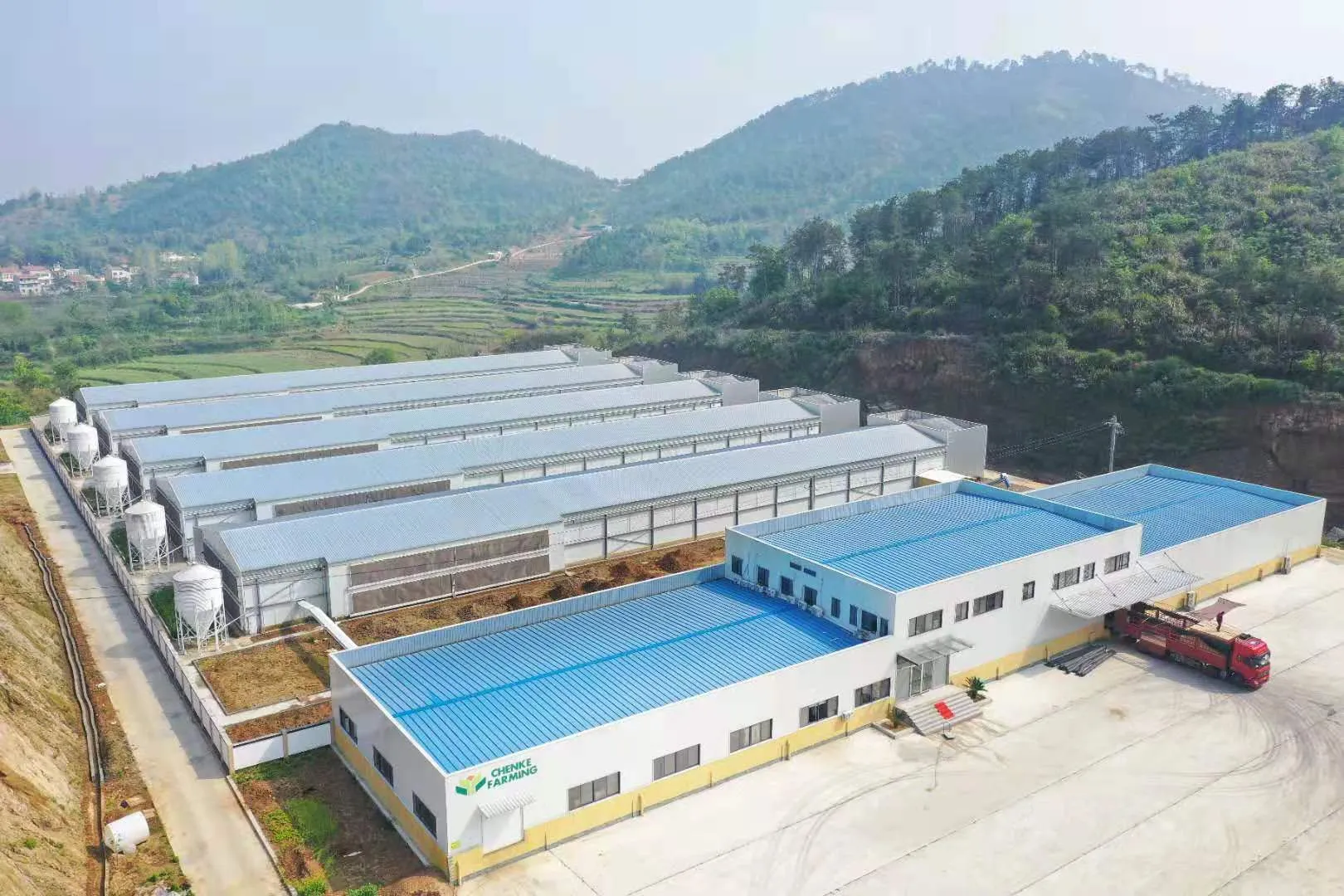
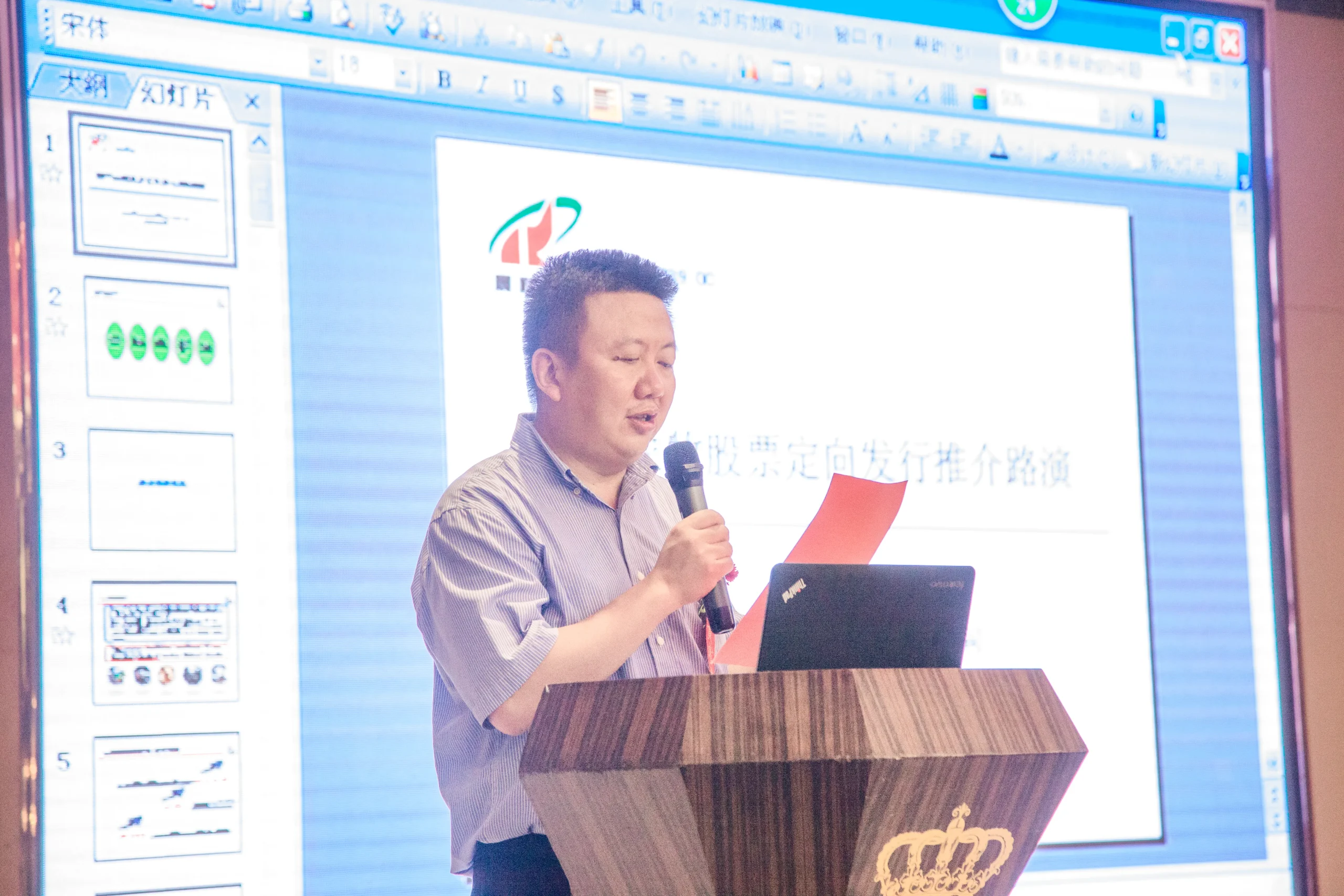
Chairman Dai Xiaofang’s entrepreneurial journey began in 1997, a year full of courage. At that time, he resolutely left his “iron rice bowl” in the state-owned enterprise, broke free from the constraints of the system, and, with hopes for the future, opened a feed distribution department. From then on, he formed an indissoluble bond with the agriculture and animal husbandry industry.
“Back then, I was a pure individual entrepreneur. There were no complicated procedures or cumbersome rules. With one word from me, a deal could be closed.” Recalling the early days of his business, Dai Xiaofang’s tone carries a touch of nostalgia. “I had the final say in the feed business. Finance was simple too — just one accountant and one cashier. The days were busy but carefree.”
However, true growth never comes from standing still in comfort. Real transformation often begins with the courage to step out of the comfort zone. For Chairman Dai Xiaofang, the leap from “individual entrepreneur” to “modern enterprise” was a battle without gunpowder smoke — a thorny path that had to be firmly traversed, a road of breaking out of the cocoon.
In 2008, he made a bold decision that seemed “inappropriate” at the time — enrolling all company employees in pension insurance. “At that time, it was unheard of for an individual business to pay pension insurance for employees. Many people didn’t understand and thought I was ‘wasting money.’” Dai Xiaofang recalls with a smile, but he knew clearly in his heart that for a business to go far, it must retain talent and transform properly. This was the most basic foundation.
Bigger challenges lay ahead: complete financial transparency, strict tax compliance, and building a systematic management structure. Every step felt like dancing on the edge of a knife. Every adjustment meant investing substantial human, material, and financial resources, and bearing unknown risks and doubts.
From feed trader to feed producer, from single production to full industry chain extension, and then to listing on the “New Third Board” and becoming a public company — every transformation of Chenke Agriculture and Animal Husbandry was a rebirth, accompanied by a sharp rise in costs, and all embodied Chairman Dai Xiaofang’s courage and foresight. “The development of an enterprise cannot rely on personal brute force; it must rely on systemic power,” Dai Xiaofang said frankly. “The establishment of every system — financial, sales, product management — and the introduction of every talent requires real money and hard work. But these investments are all worthwhile.”
When asked about the driving force behind the transformations, his answer was straightforward and without hesitation: “Every transformation was not a voluntary choice for comfort, but a necessity for survival in the market — a way to break through under operating pressure.” This may be the simplest yet most touching destiny of Chinese entrepreneurs — being pushed forward by the waves of the era, yet also quietly pushing the era forward through their own perseverance and hard work.
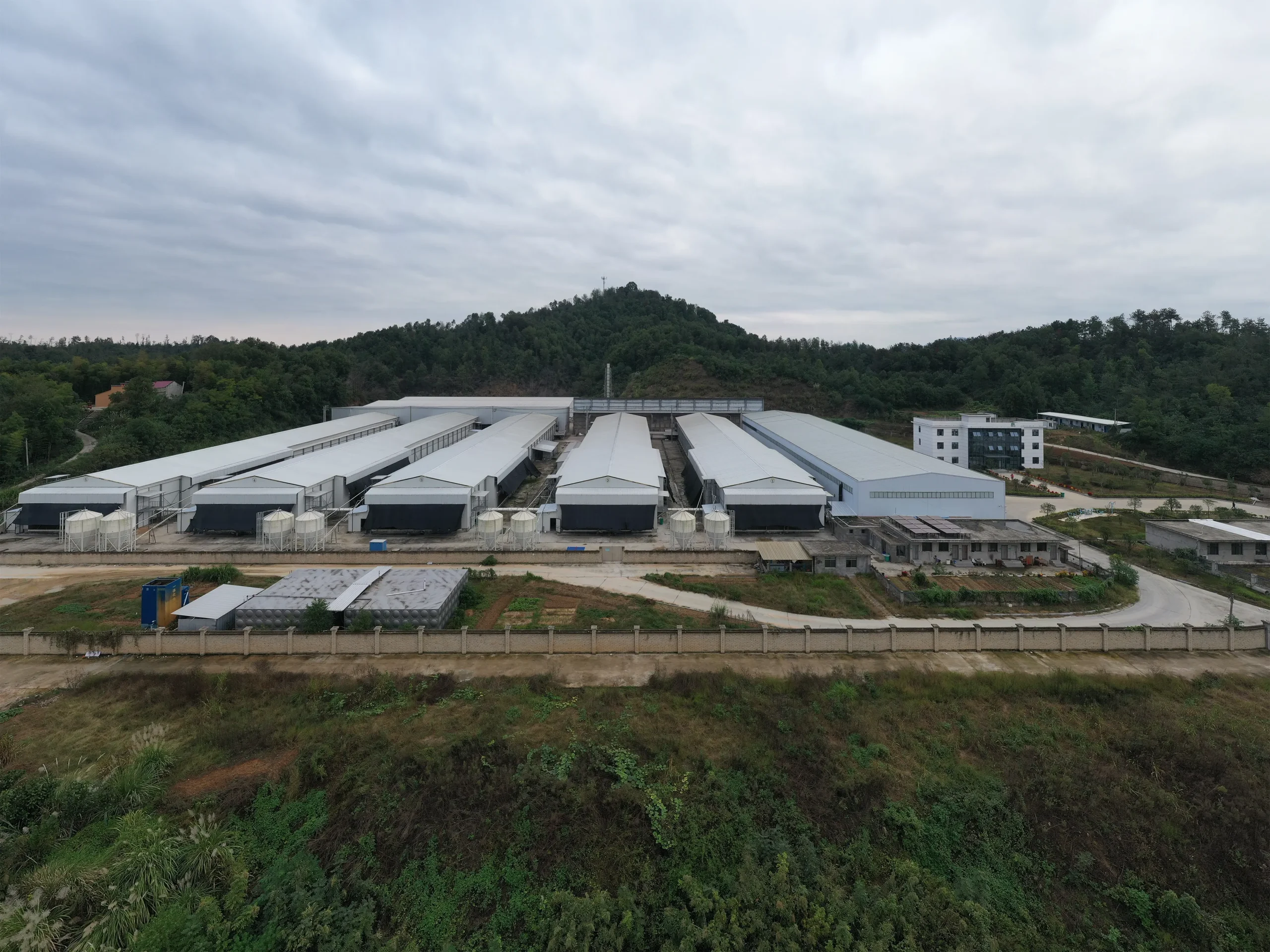
In 2023, Chairman Dai Xiaofang made a decision that shocked the industry — a courageous act of “cutting off one’s own arm”: completely phasing out the feed business he had deeply cultivated for nearly 30 years and focusing entirely on the full layer chicken industry chain. To outsiders, this appeared to be a risky “self-mutilation,” but in Dai Xiaofang’s mind, it was a well-considered, natural outcome.
“In the past, we focused primarily on feed with farming as a supplement. Now, feed has become a supporting service for layer chicken farming, designed to better serve the layer industry.” When explaining the logic behind this decision, Dai Xiaofang used just two words — “focus.” Behind these seemingly simple words lies nearly 30 years of industry accumulation, a clear understanding of the company’s core competitiveness, and the most vivid interpretation of the wisdom of “giving up and gaining.”
“I know clearly that our competitiveness in the layer chicken market is far superior to that in the feed business. Rather than spreading our energy thin, it is better to concentrate all our strength and push our strengths to the extreme.” This clarity is not blind confidence, but the confidence gained after being tested by the market.
Time and data ultimately do not disappoint every instance of clarity and perseverance. After the transformation, Chenke Agriculture and Animal Husbandry achieved a qualitative leap in operating performance — with profits exceeding 100 million yuan for two consecutive years, doubling compared to before the transformation. “Although sales revenue has declined, the operating quality and risk resistance of the enterprise have been qualitatively improved,” said Chairman Dai Xiaofang. “Today’s Chenke has stronger development confidence, greater industry competitiveness, and walks more steadily.”
This confidence in “giving up and gaining” has never come from nowhere. It stems from nearly 30 years of silent cultivation and accumulation. The foundation of Chenke Agriculture and Animal Husbandry is deeply rooted in the layer chicken feed sector. Since getting involved in feed trading in 1996, Chairman Dai Xiaofang has quietly cultivated the field of animal nutrition for nearly 30 years. “We have thoroughly mastered the intricacies of raw material procurement, quality control of raw materials, optimization of production processes, and iteration of formulation technologies,” Dai Xiaofang said frankly. Chenke’s feed business has long been an industry leader among private enterprises in Hubei. This achievement was forged through time, polished with craftsmanship, and represents Chenke’s most solid foundation.
This is what is meant by “thick accumulation leads to sudden release.” The 2023 transformation was not abandonment, but a higher-level persistence; not an end, but the beginning of a broader journey. What Chairman Dai Xiaofang bid farewell to was a familiar track of nearly 30 years. What he gained was the infinite possibilities of the full layer chicken industry chain and a bright future of high-quality enterprise development.
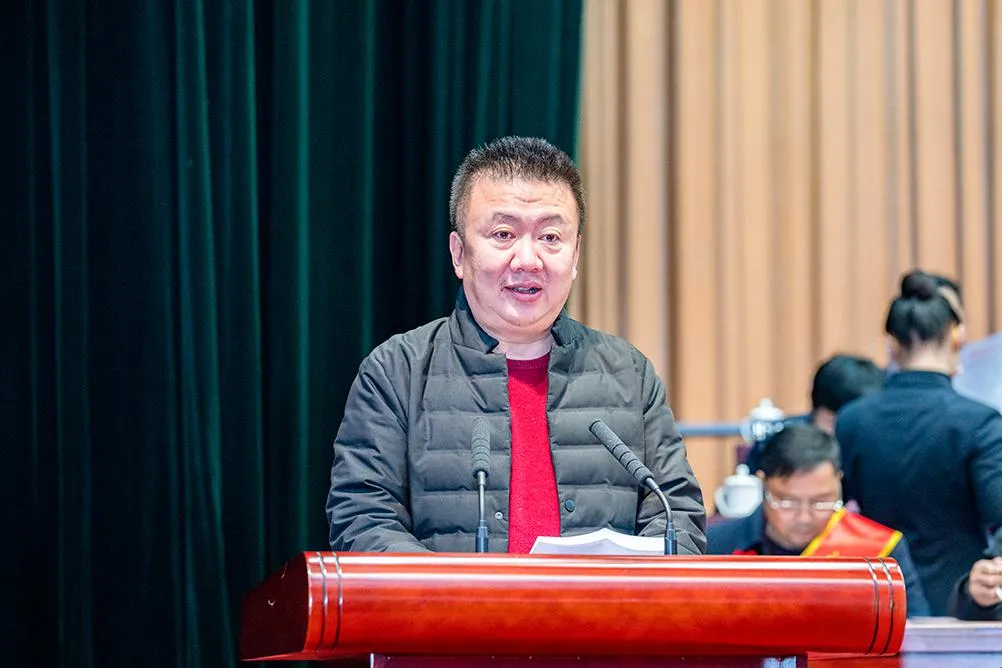
The COVID-19 pandemic in 2020 was a severe test that swept across the country and became a concentrated outburst of Chairman Dai Xiaofang’s sense of social responsibility. At that time, epidemic prevention and control tightened suddenly, logistics were blocked, and supplies were scarce. As a severely affected region, Hubei faced unprecedented pressure. The province’s nearly 400 million poultry birds were on the verge of a “feed shortage” crisis.
On January 30th, at this critical moment, Chairman Dai Xiaofang was the first to step forward. He published an article titled “Save These Pigs and These Chickens!” on his public account, exposing the life-and-death predicament faced by Hubei’s poultry farming industry. The article quickly exceeded 100,000 reads, and dozens of mainstream media outlets such as Xinhua Net and Phoenix Net reprinted it.
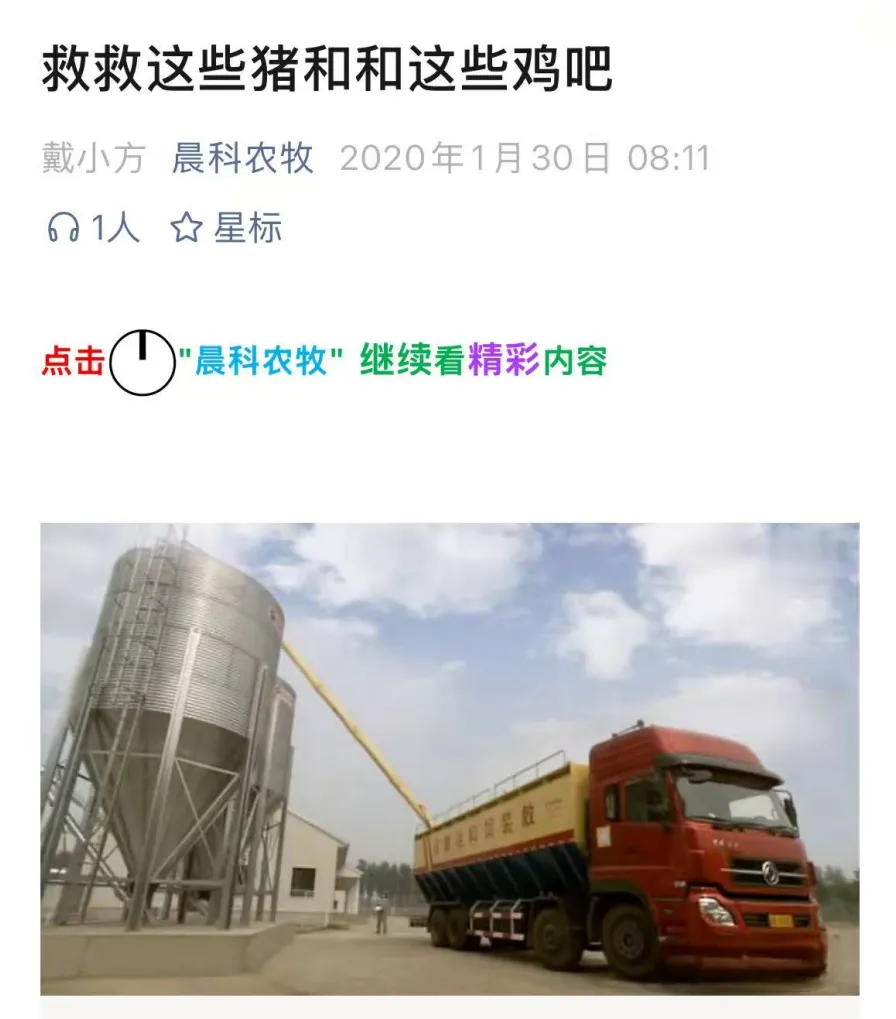
This urgent appeal from the industry soon received high attention from the national level. The National Development and Reform Commission directly called Dai Xiaofang to inquire about solutions. Facing this key opportunity, Chairman Dai Xiaofang did not hesitate and stated bluntly: “Open the granaries and release grain! Priority must be given to supplying Hubei and surrounding areas. We cannot rely solely on grain sources from the Northeast, otherwise it will take at least half a month for supplies to reach Hubei. By then, the poultry will have already run out of feed, and the losses will be irreparable.”
His suggestion hit the core of the problem precisely. Within just two or three days, the relevant plan was quickly implemented — grain sources were prioritized for Hubei, supplied at the original price throughout, and any form of price gouging was strictly prohibited. Under Chairman Dai Xiaofang’s active efforts and promotion, the “feed shortage” crisis that affected the entire province’s poultry industry was finally properly resolved. “If a company has the ability to issue an appeal and attract social attention, it can push for the problem to be solved — and that is exactly what happened later,” Dai Xiaofang said calmly yet powerfully when recalling this experience. In his heart, a company is inherently part of the industry and the local community, and it should proactively shoulder responsibilities within its capacity.
This sense of responsibility and accountability went far beyond industry-level advocacy. On the fifth day of the Lunar New Year, at the most critical stage of epidemic prevention and control, masks and other protective materials were extremely scarce. Chairman Dai Xiaofang and his wife resolutely drove from Xiantao and traveled back and forth, bringing back 80,000 masks — the first batch for Xishui County. They were all donated free of charge to frontline workers in hospitals, traffic police, public security bureaus, and other key epidemic prevention positions.
Subsequently, he mobilized various channels to procure more than 300,000 yuan worth of epidemic prevention materials, all of which were donated to support local epidemic prevention efforts. “At that time, the issue with masks was not about money — it was truly a matter of scarcity,” Dai Xiaofang said lightly, yet it revealed the difficulties of that critical moment. “The industry needs leaders. In key moments, someone has to stand up.”
His courageous actions during the crisis made Chairman Dai Xiaofang the “backbone” of Hubei’s poultry farming industry and further enhanced the social image of Chenke Agriculture and Animal Husbandry. Through his actions, he proved that the value of an enterprise lies not only in creating economic returns, but also in its responsibility and accountability in times of crisis, and in its original aspiration to share the same fate with the industry and the local community.
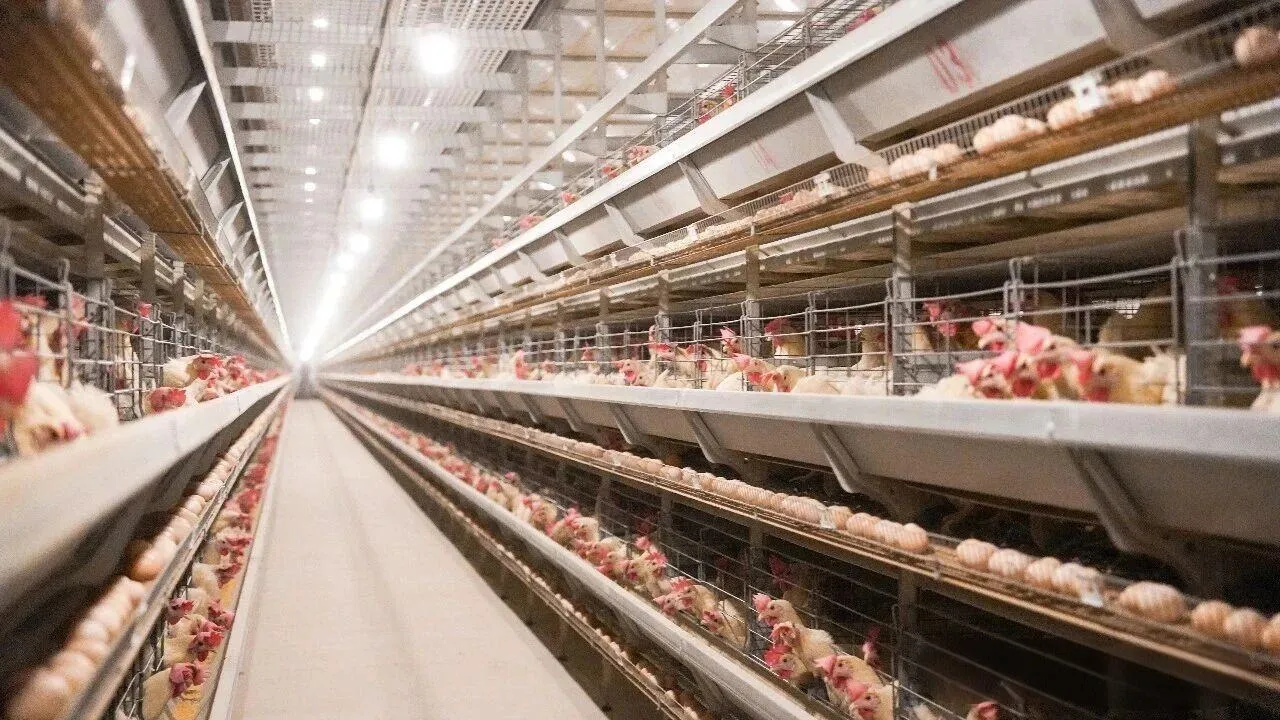
In Chairman Dai Xiaofang’s view, China’s poultry farming industry has long bid farewell to the era of “barbaric growth” and has entered the deep waters of “overproduction.” “There are too many practitioners in the industry, with varying levels of competence, and competition is becoming increasingly fierce. In the next 10 years, those who can stand firm and develop sustainably in the industry will inevitably be the enterprises that can achieve ‘low cost, high quality.’” This is his profound insight into the industry and the development creed of Chenke Agriculture and Animal Husbandry.
His pursuit of “high quality” is meticulous to the point of near harshness, even carrying a touch of artistic obsession. This obsession is not only reflected in the quality of the eggs themselves but also extends to the selection and optimization of layer chicken farming equipment. Chairman Dai Xiaofang has extremely high requirements for layer farming equipment, paying special attention to equipment quality, service life, energy consumption, and operating costs. During equipment use, he often combines his own farming experience to provide major equipment supplier Dazheren with industry pain points and innovative suggestions, such as precise environmental control and precise feeding. Dazheren conducted targeted R&D and design based on Chairman Dai Xiaofang’s reasonable suggestions, which not only solved practical problems in the farming process but also promoted equipment upgrades and iterations, ultimately achieving a win-win outcome for the enterprise and the supplier.
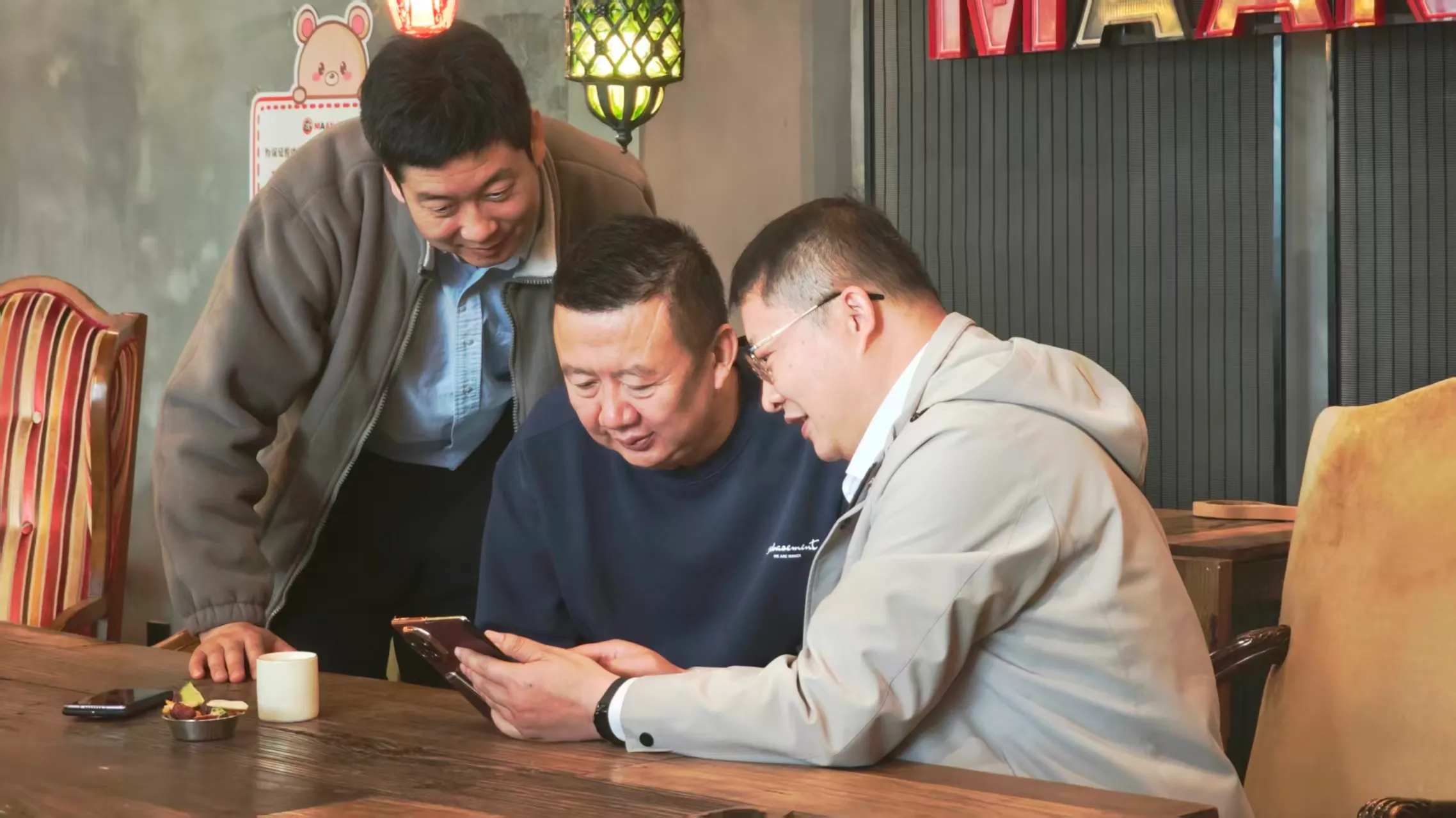
“No matter how many millions of laying hens we raise, the proportion of broken eggs we can select out must be the best in the industry.” When talking about product quality, Chairman Dai Xiaofang’s gaze is extremely firm. “In addition, freshness is the core: the egg white must be thick and strong, without any fishy smell. Eggs must be free of bacteria and antibiotic residues. We must also upgrade nutrition — reduce cholesterol content and increase functional indicators such as lutein, Omega-3, and selenium — so that every single egg becomes a high-value-added premium product.”
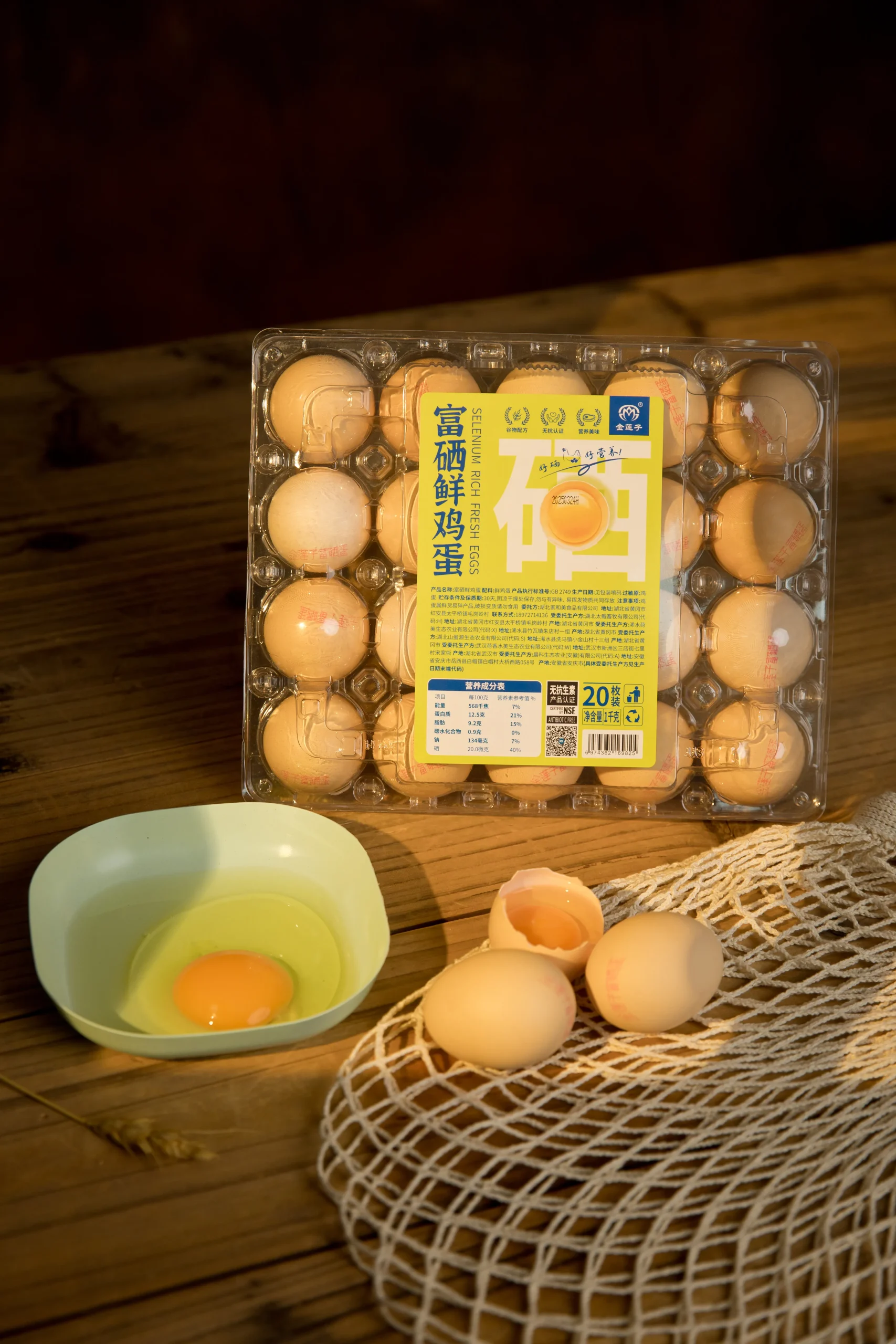
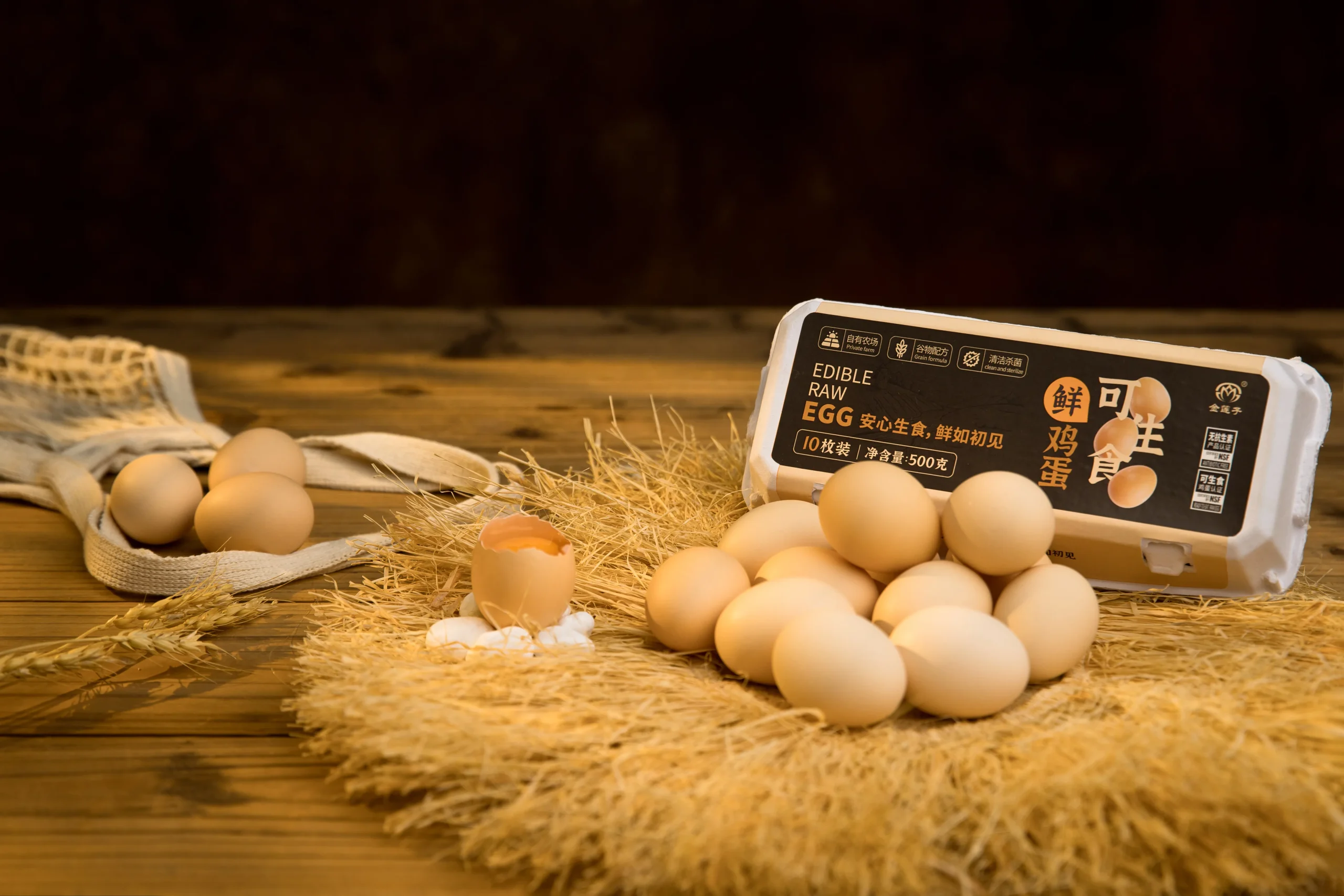
This extreme insistence on quality stems from his simple yet profound business philosophy: “Products are ultimately delivered to customers. Customer needs are our direction of struggle. Customers want to buy flawless, high-quality eggs, so we must do everything in our power to achieve it — without compromise or luck.”
In his heart, quality has never been an additional cost. It is the strongest moat of the enterprise, the foundation for winning customer trust and market recognition, and the lifeline for the enterprise’s long-term development.
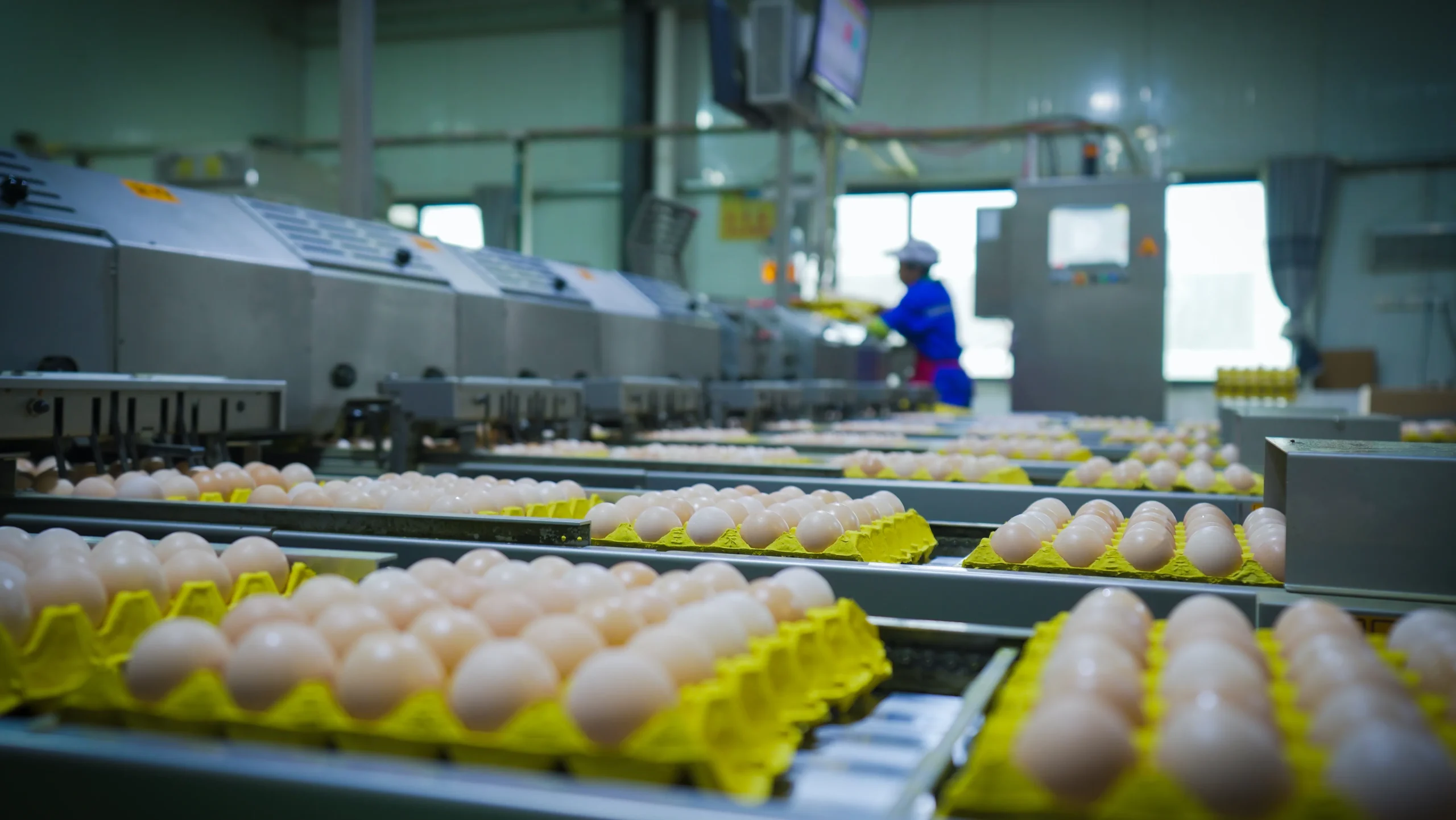
When asked what the core social responsibility of a farming enterprise is, Chairman Dai Xiaofang summarized it concisely and powerfully with “one more, three less”: produce more safe and high-quality eggs and chicken meat, consume less grain, cause less pollution, and emit less waste.
He did the math for the editor with real figures. Every number reflects respect for resources and accountability to the environment: “If our company now consumes 560 tons of feed per day and emits 560 tons of manure, reducing the feed-to-egg ratio by 10% would mean saving 56 tons of grain and reducing 56 tons of manure emissions per day. This not only lowers costs for the enterprise but also creates enormous social value — killing two birds with one stone. Why not do it?”
At Chenke Agriculture and Animal Husbandry’s farming bases, this environmental protection philosophy is implemented in every detail: chicken manure is collected promptly via conveyor belts, dried, and directly transported to organic fertilizer plants for fermentation and processing into organic fertilizer for agricultural planting. From source reduction to process control and then to resource utilization, every step is closely linked, forming a closed-loop, green, and sustainable development model.
This responsibility extends far beyond environmental protection. In the broader sense of entrepreneurial responsibility, Chairman Dai Xiaofang has shown no slack. Chenke Agriculture and Animal Husbandry actively collaborates with the government to build poverty-alleviation farming projects, using industrial power to help poor households increase income and support rural revitalization. The company currently employs 500 to 700 people, most of whom are local residents. They can secure stable jobs right at their doorstep, achieve employment and income growth, and live stable lives.
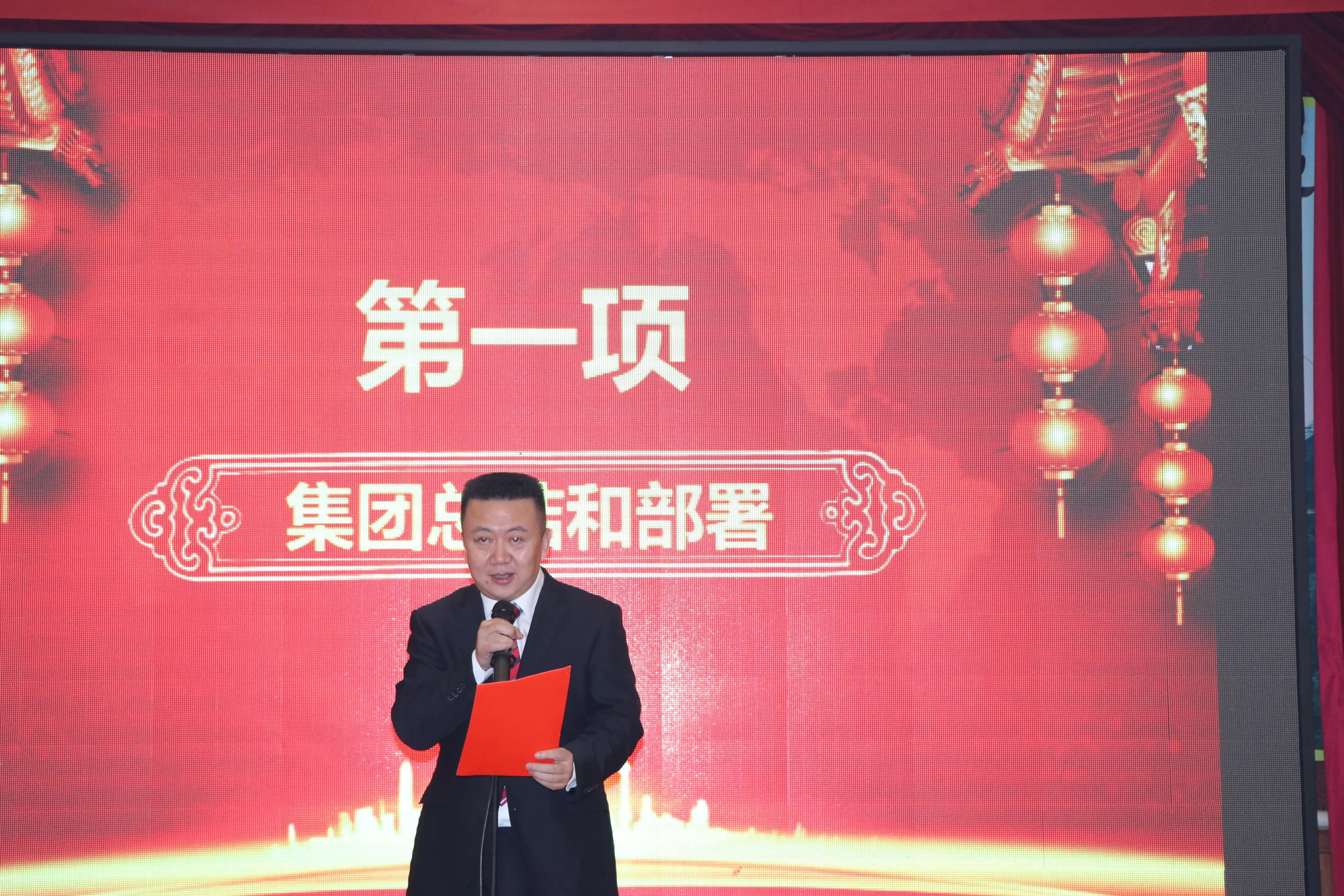
When asked about Chenke Agriculture and Animal Husbandry’s future plans, Chairman Dai Xiaofang’s answer was unexpectedly “conservative,” yet it carried the calm and clarity gained from weathering many storms: “With such fierce industry competition right now, we will continue to prioritize stability, keep our feet on the ground, and not pursue scale and speed. We must guard against risks and develop steadily.”
This insistence on “not chasing speed or bigness” stands in sharp contrast to the bold claims of many entrepreneurs today who aim to “grow bigger and stronger.” But those who know Chairman Dai Xiaofang understand that this “stability” is not lack of ambition, but the composure built from nearly 30 years of industry ups and downs. This “slowness” is not stagnation, but the clarity and rationality that come after seeing many storms.
In an era that worships “speed” and chases “shortcuts,” Dai Xiaofang’s “slowness” and “giving up” may represent a higher form of “gaining.” He does not rush for quick success or blindly expand. Instead, he calms his mind to refine products, standardize management, and accumulate strength. He is willing to give up short-term benefits and familiar tracks, all for the sake of a more distant future. This clarity and perseverance is particularly precious in today’s impetuous times.
From a lone individual entrepreneur to a leading industry frontrunner; from simple feed trading to a complete layer chicken full industry chain; from seeking survival only for himself to seeking development for the industry and taking responsibility for society — every step Chairman Dai Xiaofang has taken has been solid and clear, firm and powerful. With thirty years of time, he has interpreted a simple yet profound truth: one must dare to abandon flashiness, stay true to one’s original aspiration, and in the choices between “giving up” and “gaining,” stride toward a broader world.
We pay tribute to Chairman Dai Xiaofang, this practical doer who has deeply cultivated the agriculture and animal husbandry industry for nearly thirty years. We pay tribute to his wisdom of “giving up and gaining,” his reverence, and his sense of responsibility. We also pay tribute to every poultry farmer like Dai Xiaofang who is rooted in the agriculture and animal husbandry industry, silently cultivates, bravely perseveres, and willingly dedicates themselves. It is they who use craftsmanship to safeguard the safety of our dining tables, use responsibility to drive the industry forward, and use ordinary perseverance to write extraordinary lives. They are all great poultry farmers!
 Arabic
  English
  Spanish
  French
  Russian
  Portuguese
  Chinese