Manure on the belt is not just a smell problem. If you do not clean it correctly and on time, it turns into ammonia, flies, wet air, corrosion, disease risk, and lost profit. That is why manure belt cleaning is a core part of any modern cage poultry house, not a side task.
As Big Herdsman, a professional livestock breeding equipment manufacturer founded in 2005, we design complete layer, broiler and breeder cage systems with integrated manure belts, scrapers, and environmental control. In this article, we will explain how manure belt cleaning works, why it matters, and how to manage it to protect both your birds and your investment.
In modern cage systems (especially H-type and partial A-type cages), a manure belt is a conveyor belt installed under each cage tier. Its job is simple:
Without regular manure belt cleaning, manure will:
Good manure belt cleaning means:
For professional layer and breeder farms, this is directly linked to bird health, egg quality, and long-term building and equipment durability.
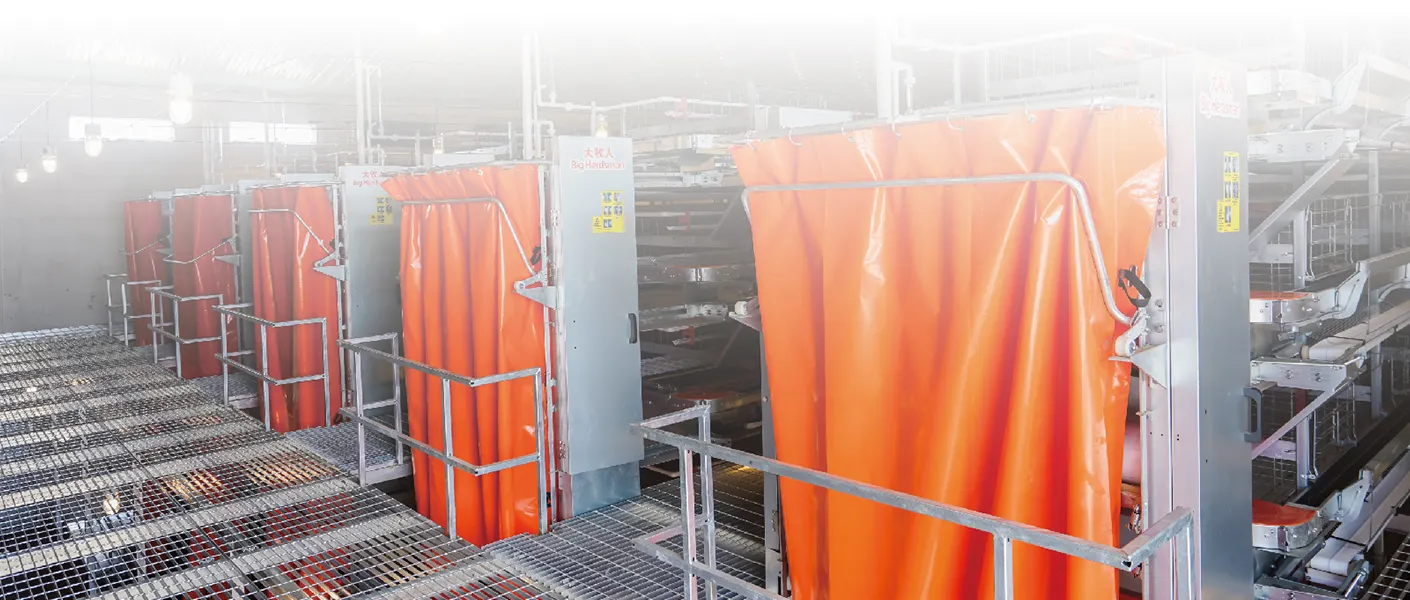
In a typical H-type layer cage house, the manure cleaning line is designed like a small factory line:
To keep this process smooth, you must manage:
Manure belt cleaning is both mechanical and management work. Even the best equipment will fail if the farm does not set and follow proper procedures.
A well-managed manure belt cleaning program brings multiple benefits to your poultry farm.
Frequent belt cleaning:
Birds living in a dry, fresh environment will eat more, convert feed better, and maintain better egg production.
Wet manure that is left for too long becomes:
By scraping manure off the belt regularly and transporting it away from the house, you break the life cycle of flies and reduce disease risk.
Ammonia and high humidity attack:
Manure belt cleaning reduces how long manure and vapor stay under the cages, protecting metal surfaces and extending the service life of your cage equipment.
Dry, fresh manure is:
With regular belt cleaning, you can develop a more organized manure value chain instead of treating manure only as waste.

To make “manure belt cleaning” a stable part of your management instead of a headache, follow these key practices.
Do not run belts only when they look full. Create a standard program:
More frequent cleaning results in:
Dry, thin layers are easier to scrape off than thick, wet cakes.
Manure belts should run at a steady speed chosen by the manufacturer. Avoid:
If belts are not cleaned for a long time and manure becomes very thick, it is better to:
This type of progressive cleaning prevents damage to the belt and drive system.
Check scrapers regularly:
Bent scraper arms or worn blades leave manure streaks, which later dry into hard ridges, making cleaning more difficult.
If manure builds up on one side of the belt, it can make the belt run off-centre:
Good tracking reduces wear on edges and avoids belt damage.
Hard manure on rollers:
Include roller cleaning in your maintenance routine. Use scrapers or manual tools when the system is off.

Manure belt cleaning is directly linked to your ventilation and environment control strategy.
When belts run and manure drops onto cross conveyors or out of the house, dust and gases may temporarily increase
Plan belt running times together with fan settings:
Using smart controllers, you can:
At Big Herdsman, we often connect manure belt drives to our environment and farm management systems, so cleaning becomes part of the automated daily routine rather than an occasional manual task.
Manure belt cleaning is not a stand alone option you add later. It should be part of the original cage and house design. Choosing an experienced manufacturer like Big Herdsman helps you:
Because we design and manufacture complete poultry production systems (cages, environment, feeding, drinking, and aquaculture equipment), we can help you build a coherent line where manure belt cleaning is fully coordinated with the rest of your farm.

In most commercial layer farms, manure belts should be run at least 2–3 times per week, and in many cases daily or every second day, especially in humid or hot climates. The goal is to remove manure before it forms thick, wet layers that are harder to scrape and more dangerous for air quality.
No. In normal operation, dry mechanical scraping is enough. Water washing is reserved for special situations, such as deep cleaning between flocks or for belt drying systems designed for washing. Too much water can increase humidity, cause corrosion, and make manure sticky.
Sometimes. If your cage structure and house dimensions allow it, manufacturers can retrofit manure belts, but this often requires changes to cage support frames, manure channels, and cross conveyors. It is easier and cheaper to include manure belts in the original cage design.
Relatively dry, crumbly manure is ideal. This is achieved with good ventilation, proper drinker management (no leakage), and balanced nutrition. Very watery manure not only sticks to belts but also increases ammonia, so solving the root cause of wet manure is a key management task.
Frequent belt cleaning removes manure from under the birds and moves it to a controlled storage or treatment area, where odor control is easier. Combined with correct ventilation, this reduces odor inside and around the poultry house and helps farms maintain a good relationship with neighbors and regulators.
If you are planning a new cage house or upgrading your manure management, treating manure belt cleaning as a strategic system—not just a piece of equipment—will help you build a cleaner, healthier, and more profitable poultry farm.

 English
  Spanish
  French
  Russian
  Portuguese
  Arabic
  Chinese

