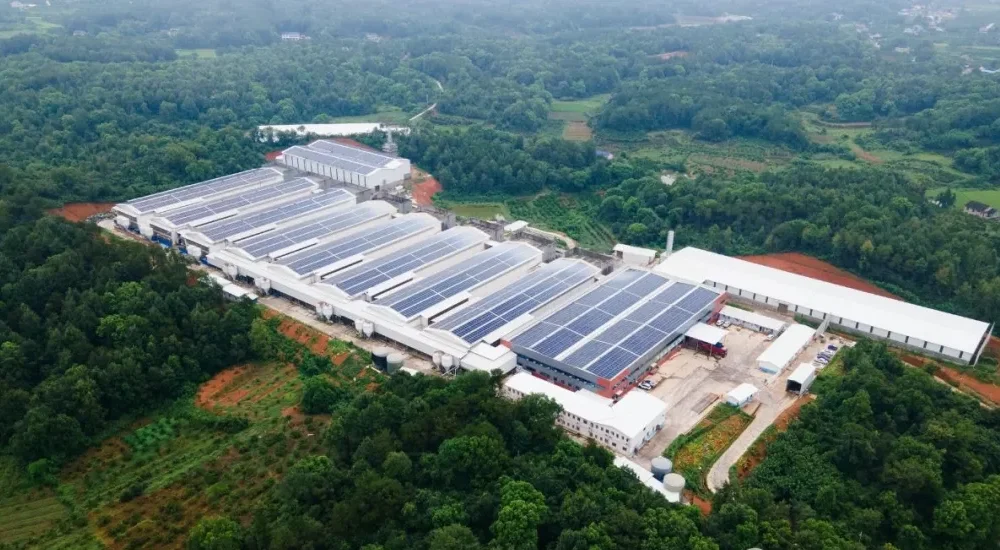
The first few weeks of a chick’s life decide almost everything that comes after: survival rate, growth speed, uniformity, and final profit. If brooding is weak, the whole production cycle stays weak. That is why more and more commercial farms choose a poultry brooding cage system instead of simple floor brooding.
A poultry brooding cage system combines specially designed cages, heating, ventilation, feeding, drinking, and automation into one integrated setup for day old chicks. It gives you precise control over temperature, air quality, density, and hygiene from the very first day.
As Big Herdsman, a professional livestock breeding equipment manufacturer established in 2005, we design complete poultry brooding cage systems for broiler production, layer pullet rearing, breeders and integrated poultry companies. In this in depth guide, we will explain what a modern brooding cage system looks like, why it matters, and how to plan the right solution for your farm.

A poultry brooding cage system is a purpose built housing solution for chicks from day old up to the end of the brooding period (often 4–8 weeks, depending on your production system). Instead of rearing chicks on littered floor pens, you place them in multi tier cages designed for brooding.
A complete system usually includes:
Compared with traditional brooding on the floor, a poultry brooding cage system turns your chick rearing into a more predictable and controllable process. You manage thousands of chicks like a production line, with stable microclimate and clean environment.
Professional poultry operations do not adopt new systems for fun; they do it because the numbers work. A well designed poultry brooding cage system offers clear advantages in technical performance and cost control.
In brooding cages:
This leads to:
Uniform, strong chicks mean better performance in the later broiler or laying period.
Multi tier cage design allows you to:
This is especially important for integrators and large poultry companies who want to reduce land and construction costs per bird.
In a poultry brooding cage system:

Workers spend less time walking through litter and chasing chicks and more time doing effective supervision and management. This is crucial in markets where labor cost is rising and skilled farm workers are harder to find.
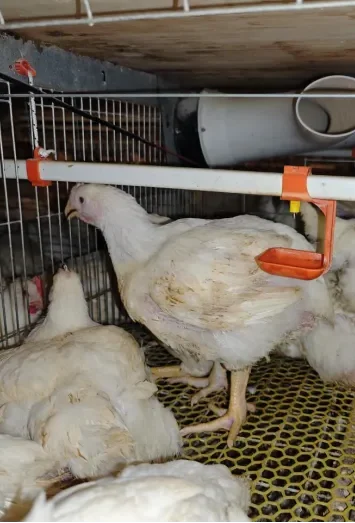
Not all cages are suitable for brooding. Chicks are small, fragile, and very sensitive to temperature and airflow. Big Herdsman’s brooding cage systems are designed specifically for this early stage.
The goal is to create a safe, comfortable micro environment for day old chicks while still allowing good air exchange and easy observation.
Correct feed access in the first days helps chicks learn to eat quickly and ensures they have enough energy for body warmth and early growth.
Chicks learn to drink faster with a well adjusted system, preventing dehydration and reducing early mortality.

Dry and clean conditions around chicks support better respiratory health and reduce the risk of coccidiosis and other infections.
Brooding is all about temperature, air quality, and comfort. A poultry brooding cage system must be combined with a well planned environmental control package.
Common options include:
Key requirements:
Correct brooding temperature curves (higher in the first week, gradually decreasing) are essential. The environmental controller and sensors help follow these curves automatically.
Even in cold weather, fresh air is necessary to remove moisture and CO₂. For brooding cage houses:
Big Herdsman’s environmental controllers and smart farm net systems can manage these parameters precisely, preventing cold drafts and maintaining a stable microclimate.

Chicks need:
A good poultry brooding cage system includes a smart dimming lighting solution with programmable schedules and smooth transitions, reducing stress and piling behaviour.
A modern poultry brooding cage system gives you the tools, but results still depend on management. Here are key points for successful cage brooding:
Chicks should enter a warm, bright, and fully prepared environment, not a half ready house.
Early attention during the first day pays huge dividends in health and uniformity.
In a well run poultry brooding cage system, environmental control and equipment support management, but farm staff must still walk the house and observe chicks daily.
As a livestock breeding equipment manufacturing plant with complete in house design, production, installation, and service, Big Herdsman offers a full solution, not just a product list.
Our advantages for poultry brooding cage projects include:
For overseas customers in poultry production, egg production, aquaculture production, and engineering contracting, we focus on stable quality, technological advancement, and strong after sales service, aiming to build long term cooperation.
Yes. Poultry brooding cage systems can be designed for broiler chicks, layer pullets, and breeder chicks. The exact cage dimensions, stocking density, and brooding period will differ, but the core principles (temperature control, feeding, drinking, hygiene) are the same.
For many modern commercial farms, yes. Brooding cages can fully replace floor brooding. However, some farms still use a combination: floor brooding in certain houses and cage brooding in others, depending on investment and management style. If designed correctly, brooding cage systems generally offer better control and efficiency.
The brooding period depends on your production system and target weight at transfer. For layers, pullets may stay in brooding cages for several weeks before moving to grow out or layer cages. For broilers, chicks may be brooded in cages and then transferred to other systems. We design cage capacity according to your specific program.
It is critical. Chicks are extremely sensitive to cold drafts, overheating, high humidity, CO₂, and ammonia. Even the best cage design will fail if ventilation, heating, and minimum ventilation are not properly set. That is why we always combine poultry brooding cage systems with professional environmental control design.
In many cases, yes. We can analyze your existing house dimensions, height, and structure and design cage systems to fit inside. Some modification of ventilation, heating, and manure handling may be needed. Retrofitting is often a cost effective way to improve chick performance without building new houses.
If you are planning to build new brooding capacity or upgrade from floor systems, a properly designed poultry brooding cage system can become the foundation of stronger flocks, higher productivity, and a more competitive poultry business.

 English
  Spanish
  French
  Russian
  Portuguese
  Arabic
  Chinese