
Le monde réel
Le monde réel
Poor housing can lead to dirty eggs, wasted feed, harder cleaning, and uneven flock performance. Those problems grow fast in a busy chicken house. A well-planned type layer solution gives you a cleaner workflow, easier management, and a more stable way to run commercial egg production.
A Type A layer chicken cage is a practical cage system for commercial poultry farms that keeps birds organized in sloped rows so eggs roll forward for easier egg collection, while feed, water, and waste handling can be managed more efficiently. It is widely chosen for medium and growing farms because it balances investment, management simplicity, and automation potential.
In a commercial poultry farm, housing is not just where the birds stay. It shapes labor use, hygiene, airflow, feed access, and flock control. FAO notes that housing and management have a direct effect on bird comfort and production, and that controlled systems are widely used to maintain more suitable conditions for commercial layers.
That is why the right cage matters. A practical layer cage helps you organize birds by age and production stage, simplify daily inspection, and create a cleaner path for egg collection and waste handling. For many buyers, especially in developing or expanding markets, type layer systems remain attractive because they are easier to install and manage than a more complex h type project.
From my perspective, the biggest reason customers still choose this layout is balance. A Type A solution gives a strong starting point for commercial farming without forcing every project into the highest automation level from day one. That makes it a very useful option for a growing chicken farm.

A Type A layer chicken cage is a sloped row-style housing structure designed for egg laying chicken management. Birds are kept in organized sections, feed is delivered at the front, water is supplied through a line, and eggs roll gently outward for easier pickup. The system is simple. That is part of its strength.
A standard chicken cage layout usually includes the frame, feed trough, floor mesh, drinking system, manure discharge section, and front egg trough. In upgraded projects, the cage system includes an automatic feeding system, automatic drinking system, and automatic manure removal system to reduce labor and improve daily control.
The reason this design works well is workflow. Birds eat, drink, rest, and lay in one orderly structure. Staff can inspect the flock, manage feed, and handle eggs with less confusion. That is why a type layer chicken cage system is still one of the most practical choices for many commercial farms.
The biggest difference is structure. An a-type layer cage uses a stepped, angled arrangement. An h type project uses vertical stacking and generally supports a higher automation level. Both can work well. The better choice depends on your building, labor plan, and investment strategy.
A Type A setup is often easier to understand, easier to install, and easier to maintain for farms that want a straightforward project. It can suit medium-capacity farms, phased expansion plans, and buyers who want a practical route into automatic layer production without the higher complexity of an H-style line.
An h type solution usually makes better use of height and is often selected for higher-density, highly automated projects. But that does not mean Type A is outdated. In many regions, type is suitable precisely because it matches the local building size, budget, and management routine better than a full vertical system.
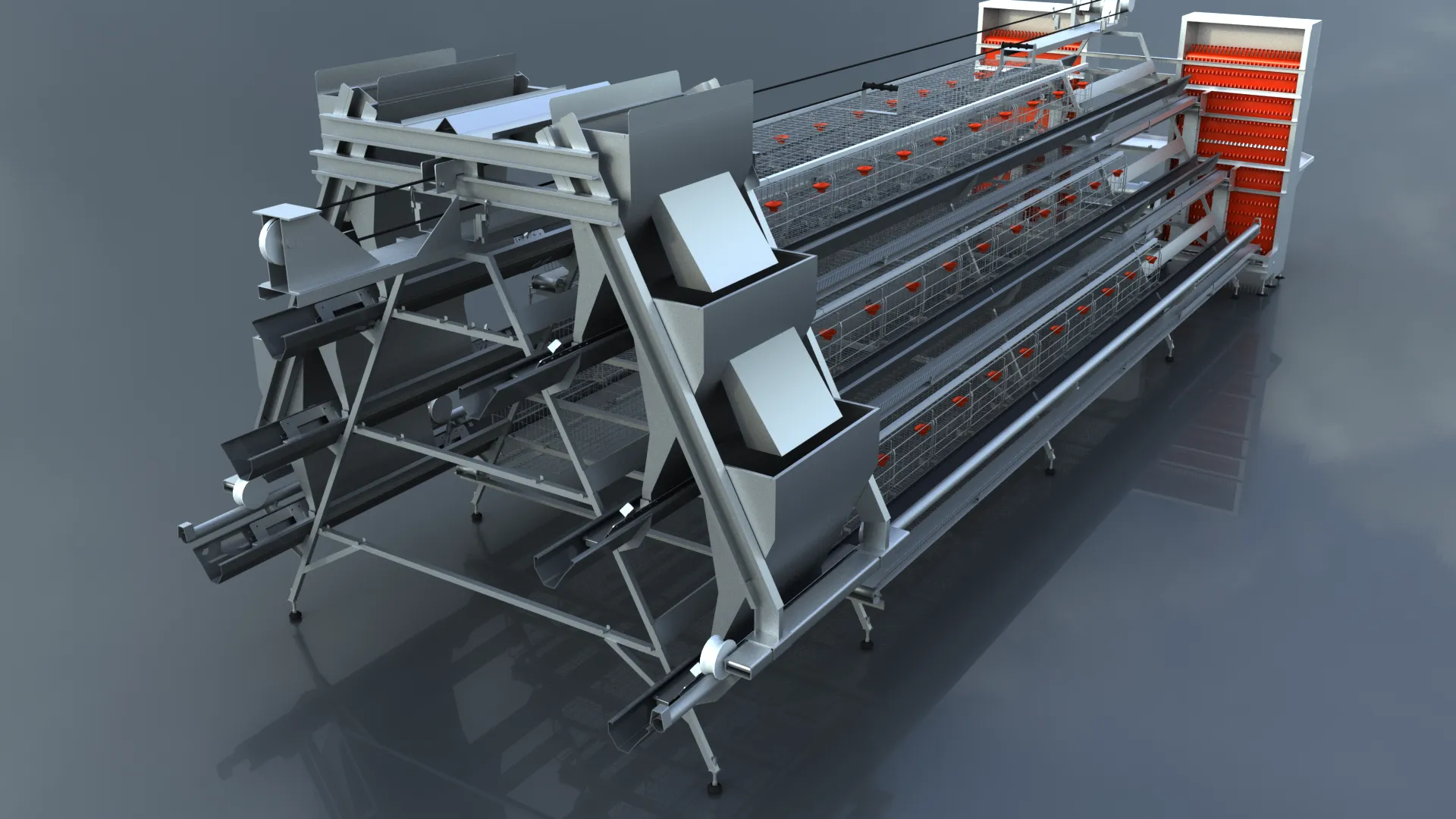
A good layer chicken cage system is more than metal rows. It is a linked production setup. The system includes structural supports, feed delivery, water supply, waste discharge, and egg handling. When these parts work together, the farm runs more smoothly.
At the basic level, the system includes the cage frame, floor mesh, feeders, drinkers, and egg trough. In more advanced projects, you also add automatic feeding, automatic egg collection, and waste handling equipment. The goal is to reduce manual work while keeping bird access to feed and water simple and stable.
A complete commercial solution may also add a control system, ventilation system, and support equipment for building climate. This is important because housing performance does not come from one product alone. It comes from how the full setup works inside the poultry house.
Good housing means little without stable feed and water access. Hy-Line management guides emphasize that flock performance depends on good husbandry, feed management, water supply, and environmental conditions.
That is why the feeding system and drinking system matter so much in a layer cage project. A uniform trough layout supports cleaner chicken feeding, while a correctly designed water line helps birds drink more evenly. In many commercial systems, the drinking system adopt the closed line approach because it reduces contamination and supports easier daily management.
In technical terms, many suppliers describe this as a water line that system adopt the closed piping design, or simply adopt the closed piping system for cleaner delivery. In practical terms, it means less waste, better water hygiene, and fewer management problems in the chicken house.
In a Type A design, the floor has a gentle slope so eggs roll outward after laying. That simple movement helps protect egg cleanliness and makes egg collecting more efficient. It is one of the main reasons commercial farms still prefer this layout for organized layer management.
A manual project uses front trough pickup. A more advanced line adds an egg collection system or full automatic egg collection system so eggs move faster and more evenly. This becomes very useful as flock size grows and labor becomes more expensive.
The real value is workflow. A good front egg route helps move eggs directly to the egg storage area or to a transfer line with less handling. In bigger projects, automatic egg and automatic egg collecting functions reduce breakage, save time, and help the farm keep a cleaner daily rhythm.
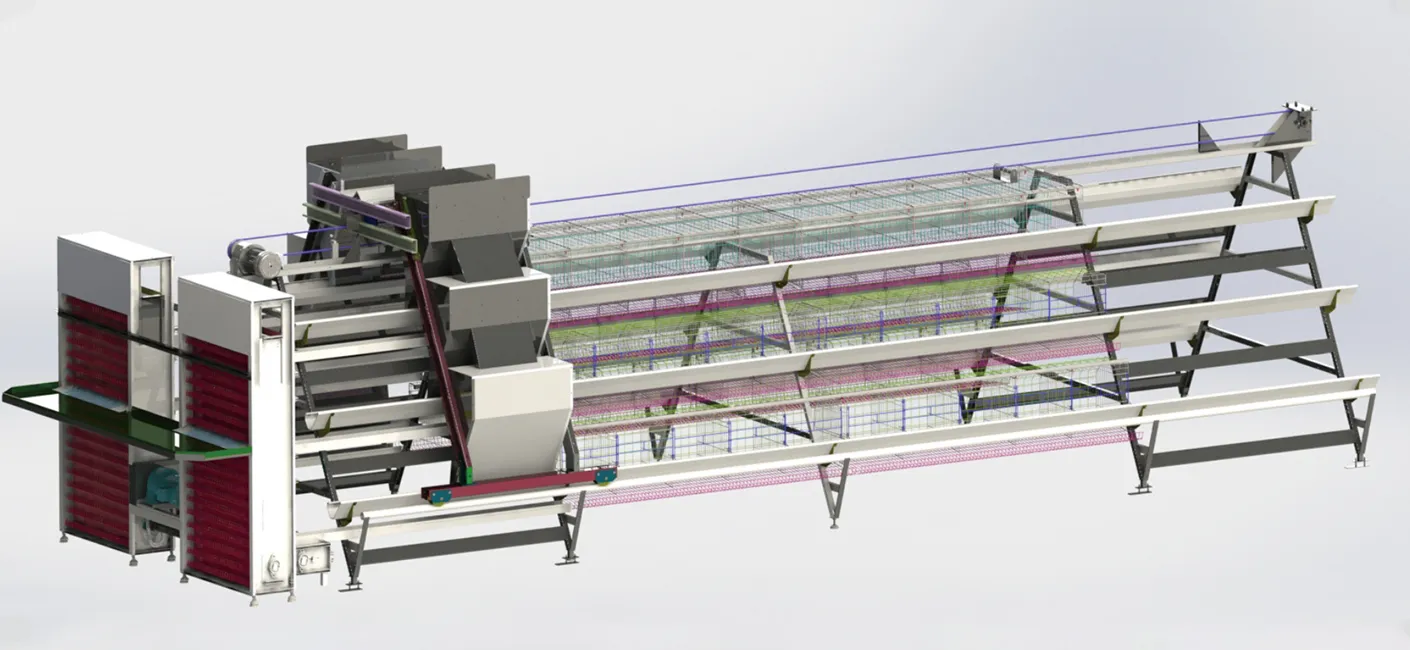
Yes. A Type A layout can be upgraded step by step. That is one of its commercial strengths. You do not always need to start with a fully integrated high-budget project. Many customers begin with structural housing and then add automation in stages.
A practical upgrade path may include automatic feeding, automatic drinking, automatic egg collection, and waste handling. Over time, a Type A project can move closer to a fully automatic operation with line control, timed feeding, and cleaner egg transfer. That makes it attractive for customers who want growth without replacing the entire house design.
At the project level, this is where Big Herdsman’s positioning matters. The company focuses on complete automated farming systems, not isolated products, so the design can be planned with future automation in mind from the beginning. That is valuable for buyers who want a long-term factory-direct partner, not just a shipment of cage equipment.
For many farms, yes. A type layer chicken battery cage solution is still a very practical commercial answer. It gives structured flock management, clear feed and water access, organized egg flow, and good upgrade potential.
Buyers often search for terms like battery cage, battery cage system, egg layer modern battery cage, or layer chicken battery cage system because they are comparing real project models. In commercial practice, the best value usually comes from a system that fits the house and the farm’s stage of growth, not from copying the biggest project on the market.
That is why many customers still choose this route. A Type A layout offers a strong balance between cost, simplicity, and performance. For a growing automatic poultry farm, that balance can be exactly what makes the investment work.
Big Herdsman Machinery Co., Ltd. is positioned as a manufacturer focused on livestock and poultry farming equipment, customized system solutions, and complete service for different regional environments. That fits the way commercial buyers actually purchase: they want complete solutions tailored to local conditions, layouts, and production targets, not just standalone equipment. This project-oriented positioning is part of the user-provided brief.
For overseas customers, the value is in integration. Big Herdsman can support structural housing, feed and water lines, egg handling, waste management, and service planning as one complete project. That is especially important for farm owners, contractors, and distributors who need scalable systems and long-term technical support.
A Type A layout is often the best fit when the farm wants reliable commercial production without starting at the highest automation level. It suits buyers who need a system that is easier to install, easier to understand, and easier to expand later.
For example, a medium-size poultry farm may want a clean and organized layer house with front egg pickup, easy feed management, and belt-based manure handling. In that case, a type automatic layer cage project can start with manual collection and later move into automatic layer upgrades.
This is also why phrases like automatic a type layer chicken, modern battery cage chicken poultry, layers cages chicken poultry farming, and layer modern battery cage chicken appear in search behavior. Buyers are not just looking for a product. They are looking for the right stage-appropriate system.
A Type A layer chicken cage remains one of the most practical commercial housing options for egg farms. It offers organized flock management, easier collection, simpler maintenance, and a realistic upgrade path toward automation.
If you are comparing a layer cage, planning a new poultry farm, or looking for a type layer chicken cage system that fits your house and budget, the best choice is the one designed around your actual farm conditions. Structure, feed and water layout, waste handling, and future upgrade potential all matter.
Big Herdsman Machinery Co., Ltd. is well positioned to support that process with customized planning, factory manufacturing, and long-term service. If you share your house dimensions, bird quantity, preferred automation level, and climate conditions, you can start building a much better project from the beginning.
It is a stepped-row housing system for laying hens. Birds are kept in organized cages, eggs roll forward for easier collection, and feed, water, and manure handling can be managed in a structured way.
Not always. Type A is usually better for farms that want simpler installation and moderate investment. H type is often better for large projects with stronger automation and higher density goals.
Yes. Many Type A systems can be equipped with an egg collection line or upgraded later to an automatic egg collection system.
You can add automatic feeding, automatic drinking, egg collection, manure removal, and house control functions depending on the project scale and budget.
Check the building size, bird quantity, local climate, preferred automation level, waste-handling plan, and long-term expansion target. The best system is the one that fits the whole project, not just the equipment list.
Prepare your house dimensions, target bird capacity, local climate, preferred cage type, and the automation functions you want, such as feeding, egg collection, and manure removal.
 French
  English
  Spanish
  Russian
  Portuguese
  Arabic
  Chinese