
Dirty houses, rising ammonia, and slow waste handling can quietly cut flock performance and raise labor costs. When waste stays too long under the birds, hygiene drops and management gets harder. A well-designed in-house manure conveyor helps farms move waste out faster, cleaner, and more reliably.
An in-house manure conveyor is a manure conveyor belt system installed inside a layer or breeder house to move poultry manure from under the birds to a collection or discharge point. In commercial egg housing, manure-belt systems are widely used because manure handling method strongly affects house cleanliness, ammonia control, and daily management.
In a modern poultry farm, waste handling is not a side task. It is part of the main production system. If manure stays too long in the house, moisture builds up, odor increases, and the working environment gets worse. Mississippi State Extension notes that ammonia in poultry housing can harm bird performance and welfare, and manure management strongly influences that outcome.
That is why a strong manure conveyor matters. It helps move waste away from the birds on time, supports better hygiene, and makes daily cleaning more consistent. For farms running multiple cage rows, this is not only about cleanliness. It is also about lower labor costs, steadier operation, and a more professional management routine.
From our experience, commercial buyers do not just want a belt. They want a complete answer that matches their house layout, climate, and output goals. Big Herdsman Machinery Co., Ltd. works in exactly that direction: customized system planning, manufacturing, and service for medium- to large-scale automated farms.
一个 内部粪便输送机 is a built-in conveyor system placed beneath the birds or below the slatted production area to carry waste from the house interior to a discharge point. In layer and breeder housing, this usually means waste moves from under each tier or row to a central unload area, outside pit, or receiving unit.
The working principle is simple. A moving belt receives manure, then the drive section pulls the load toward the discharge end. Depending on the layout, the line may connect to a cross conveyor, incline conveyor, or elevator for final handling. The goal is steady transport, low leakage, and easy discharge.
In practice, design details matter more than the concept. A good manure conveyor must keep running under heat, humidity, and corrosive air. It also has to fit real poultry buildings, not just look good on paper.

A well-designed poultry manure conveyor belt improves manure removal by making the process regular, predictable, and less dependent on manual labor. Instead of letting waste collect under the birds for long periods, the system removes it in planned cycles. Mississippi State Extension identifies manure-belt housing as one of the main manure-handling approaches in commercial layer operations, and management frequency is a key variable in system performance.
This matters because manure management is directly linked to house air quality. Better waste drying and timely removal help reduce ammonia formation and improve bird conditions. FAO also notes that drier manure and good ventilation support healthier birds and better manure value.
For farm managers, the business value is simple. A smarter manure removal system helps create cleaner working conditions, steadier routines, and more efficient manure handling from house to storage.
The belt works in one of the harshest zones in the house. It carries wet or semi-dry waste, faces constant exposure to gases, and runs through dust, moisture, and temperature change. So yes, material matters a lot.
A low-grade belt may stretch too easily, crack, absorb too much waste moisture, or wear down early. Better conveyor belts are chosen for pull strength, low deformation, and surface behavior. In some projects, rubber is used for flexibility and grip. In others, pp or pvc brings more stability and easy cleaning. The best choice depends on the specification and daily operating conditions.
Resistance to corrosion matters just as much as belt choice. The frame, fasteners, shafts, and brackets need protection because poultry-house air is aggressive. This is why serious buyers ask about coating method, steel thickness, and whether the support uses profile welded hot-dip galvanizing frame-type construction for longer durability.
Not every house is flat and simple. Some projects need discharge to a pit. Others need waste lifted up by an incline conveyor or moved sideways with a cross conveyor. That is where system layout becomes a real engineering job.
For straight discharge, a horizontal line may be enough. But if the farm wants centralized storage, outside transfer, or a covered storage shed, the design may need an incline, elevator, or multi-stage belt conveyor connection. On wetter projects with diluted manure, the discharge arrangement becomes even more important because leakage control and belt grip must both be considered.
The best layouts are built around the building, not forced into it. A smart supplier will customize the route, support the discharge point, and match the pull force to actual loading. That matters most in export projects where building dimensions, climate, and operational habits vary from one country to another.
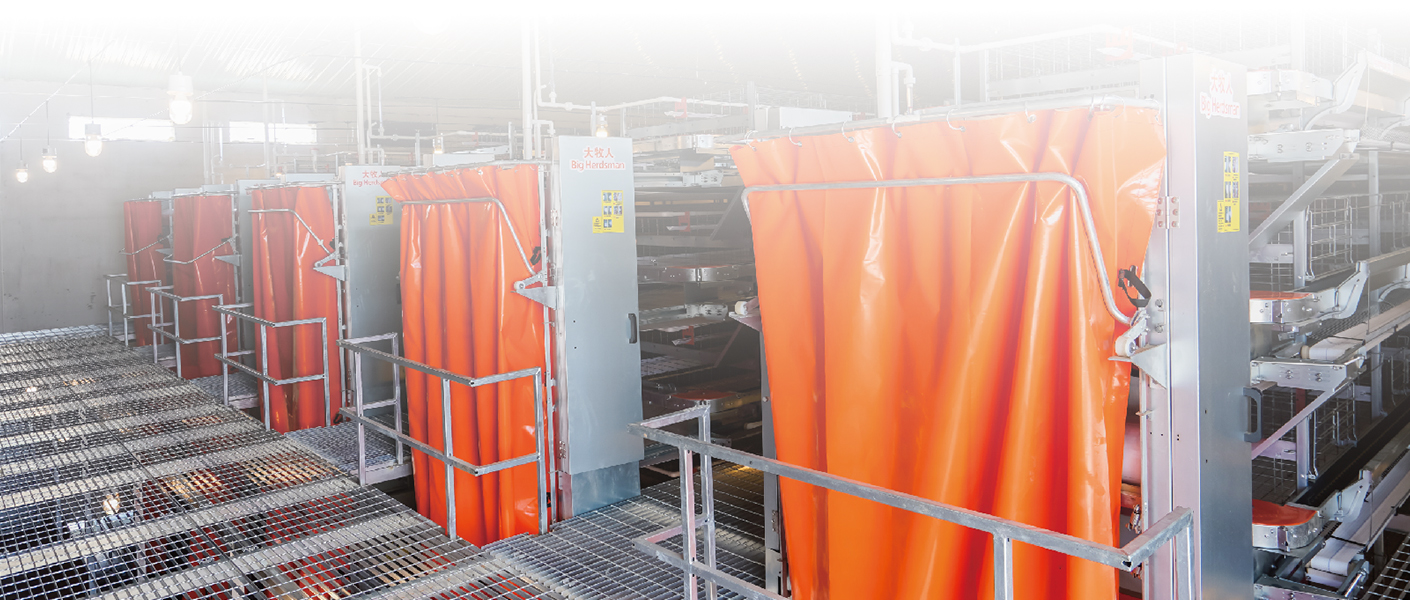
Waste handling and air quality are closely linked. When house manure stays inside too long, moisture and nitrogen conversion support more ammonia release. Extension guidance consistently shows that ammonia control depends heavily on moisture, ventilation, and waste management.
This is why routine manure cleaning helps beyond appearance. It supports better bird comfort, cleaner surfaces, and a more stable poultry house environment. In a commercial house, less waste buildup often means better daily inspection conditions and fewer hygiene-related management problems.
For buyers focused on welfare and performance, this is one of the clearest reasons to invest in automatic poultry manure handling. It is not just about removing waste. It is about managing the whole environment around the flock.
Price matters. But the right supplier should offer more than a low quote. They should understand structural load, belt behavior, airflow, discharge arrangement, and installation access. That is especially important when the system must run inside tight chicken cage layouts or long multi-tier houses.
I suggest checking these points first:
For serious projects, I would also ask whether the belt pressure roller driving structure has been validated for the planned route and whether the roller driving structure is suitable for long lines or changing load conditions. These details matter because the structure is suitable for complex layouts only when the system has been engineered with real operating conditions in mind.
Manual scraping is slow. It is dirty. And on larger projects, it becomes expensive fast. That is why automatic cleaning is now a core part of commercial layer-house design. Buyers want systems that save time, reduce hand work, and keep cleaning schedules consistent.
A strong automatic manure setup helps operators clean by schedule instead of waiting until the house condition gets worse. This is especially useful where flock density is high and the amount of dung per day is significant. Timed operation also makes the house easier to manage when labor is limited or expensive.
Customization matters just as much as automation. Some customers need a light-duty line. Others need a customizable route with side discharge, cleat support, or special belt thickness. A capable manufacturer can customize the whole configuration to fit real farm needs instead of forcing every project into one standard template.
Big Herdsman Machinery Co., Ltd. does not position itself as a simple parts trader. Your brief makes it clear that the company focuses on R&D, production, system design, and complete service for automated livestock and poultry projects in different regional environments.
That fits how serious buyers actually purchase. Most overseas customers want a system partner who can specialize in project planning, manufacturing, installation guidance, and long-term support. They are not looking for random wholesale hardware. They want a factory-direct partner that can support poultry manure removal as part of a complete automated farm layout.
From a conversion point of view, that is the real message: Big Herdsman is not just selling a cleaner. It is helping farms build a more stable waste-handling process as part of complete poultry equipment and environmental control solutions.
A properly designed manure conveyor is more than a cleaning tool. It is a management tool. It helps farms control waste, improve air quality, reduce manual work, and keep the house cleaner every day.
For commercial layer or breeder projects, the best manure conveyor belt solution should fit the building, the bird density, the discharge route, and the local management model. That is why serious buyers look for engineering support, not just product supply.
Big Herdsman Machinery Co., Ltd. is positioned to support that kind of customer. If you are planning a new poultry project or upgrading an existing house, send your layout, house dimensions, cleaning target, and discharge preference. A customized manure handling solution will usually save more than it costs over the life of the system.
It is a built-in waste handling line installed inside a poultry building to move manure from under the birds to a discharge or collection point. It helps farms clean more regularly and reduce manual work.
Because timely manure removal supports cleaner housing, better ammonia control, and easier daily management. It also helps reduce labor and maintain more stable operation.
It depends on moisture level, pull length, and cleaning routine. PP, PVC, and rubber each have strengths, so the right material should match the project conditions.
They keep the belt centered during operation. This reduces edge wear, waste spill, and maintenance problems, especially on long lines.
Yes. Many commercial systems can be configured for straight discharge, pit discharge, transfer to a cross conveyor, or lift-out by an incline or elevator section.
Prepare your house size, row length, manure type, discharge direction, cleaning frequency, and whether you need incline transfer or outside storage connection. A simple layout drawing helps a lot.
 Chinese
  English
  Spanish
  French
  Russian
  Portuguese
  Arabic